The industrial real estate sector in Central Florida continues to evolve at a remarkable pace. After more than a decade of focusing exclusively on industrial and multifamily assets in this market, I’ve observed significant shifts in demand patterns, investment criteria, and development trends that are creating unique opportunities for investors, owners, and occupiers in 2025.
This analysis draws on my experience closing transactions across Orlando, Apopka, Ocala, and surrounding submarkets, as well as insights gained through my development background managing industrial and multifamily projects throughout the region.
Current State of the Central Florida Industrial Market
Central Florida’s industrial market has matured significantly over the past five years. What was once primarily a distribution hub serving the regional population has transformed into a sophisticated logistics network supporting e-commerce, manufacturing, aerospace, and specialized industrial uses.
Key Metrics to Watch
Looking at the current performance indicators across the Orlando MSA industrial market:
- remain historically low for older and small-bay industrial spaces, with sub-5% availability in many submarkets. However, new Class A speculative developments have seen a noticeable uptick in vacancy with some new deliveries in Northwest Orange County and Apopka initially leasing slowly.
- Rental rates have stabilized after the significant increases of 2021-2023, with triple-net leases for modern distribution space averaging $9.50–$11.00 per square foot, depending on size and location.
- New construction continues at a historically high volume, although development is becoming more selective. Developers are increasingly focused on build-to-suit projects and specialized industrial uses, particularly in emerging corridors like Apopka and Lake County.
- Investment sales have moderated due to rising interest rates, impacting cap rates. However, well-located, high-functionality properties with quality tenants continue to trade at premium valuations, and investor interest remains strong for the right assets.
These general metrics tell part of the story, but the more interesting opportunities lie in the nuances of specific submarkets and property types.
Emerging Trends Creating New Opportunities
Several key trends are reshaping the Central Florida industrial landscape in ways that create strategic opportunities for informed investors:
1. Specialized Industrial Space Commanding Premium Valuations
While general warehouse space remains in demand, the most significant growth is occurring in specialized industrial categories:
Cold Storage Facilities
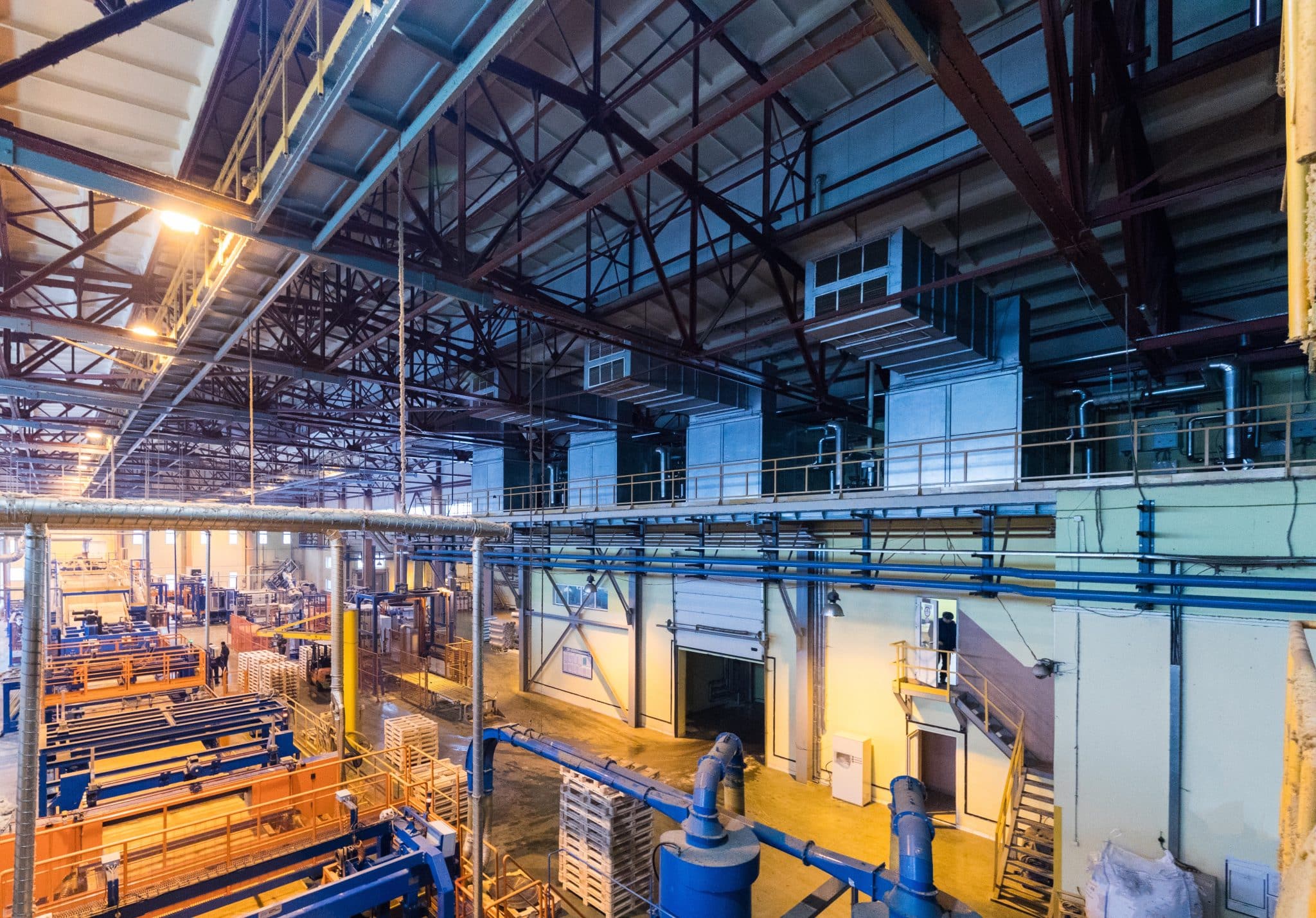
The expansion of grocery delivery services, food distribution, and pharmaceutical logistics has created unprecedented demand for temperature-controlled warehouse space. Properties with existing cooler/freezer infrastructure command substantial premiums often 25–30% or more over comparable dry storage facilities.
The cost and complexity of developing new cold storage have limited new supply, creating particular value for existing facilities with features like:
- Higher clear heights (30’+ ceiling clearance)
- Robust power infrastructure
- Multiple loading bays
- Modern refrigeration systems
Buildings with these characteristics in the Orlando-Sanford-Lake Mary corridor are particularly well-positioned for long-term appreciation.
Last-Mile Distribution Centers
The continued evolution of e-commerce fulfillment networks has transformed requirements for last-mile distribution facilities. The most sought-after properties now feature:
- Strategic positioning near population centers
- Easy access to major arterials (particularly I-4, 408, 417, and SR 528)
- Higher parking ratios to accommodate delivery vehicles
- Flexible bay configurations
Properties meeting these criteria in South Orlando, near the airport, and in the Conway area have seen strong demand from both regional and national tenants. Recent examples include Amazon’s last-mile delivery centers south of Orlando International Airport and the new Conway Logistics Center project.
2. The Shift Toward Value-Add Opportunities
With new construction costs remaining elevated and entitlement timelines extending, value-add opportunities have become increasingly attractive. I’m seeing particular interest in:
Older Industrial Parks Ready for Repositioning
Several industrial parks developed in the 1980s and 1990s—particularly in Sanford, Longwood, and parts of South Orlando—offer compelling value-add potential. These properties typically feature:
- Excellent locations that have improved as the metro area has grow
- Functional but dated buildings with good bones
- Below-market rents due to deferred maintenance or outdated features
- Potential for significant rent increases after strategic improvements
Recent transactions I’ve facilitated demonstrate that targeted investments like upgrading power infrastructure, modernizing loading areas, or refreshing facades can generate substantial returns through increased rents and reduced vacancy.
Conversion Opportunities
As retail continues to evolve, certain strategically located retail properties near industrial corridors present creative conversion opportunities. Big-box retail sites with the right characteristics are being repurposed for last-mile distribution or specialized industrial uses, particularly in infill areas where new development options are limited. This mirrors a growing national trend of retail-to-industrial conversions, now beginning to surface in Central Florida as well.
3. Rising Demand in Secondary Submarkets
While Orlando’s core industrial submarkets remain strong, I’m seeing increasing activity in secondary locations that offer strategic advantages:
Apopka and Northwest Orange County
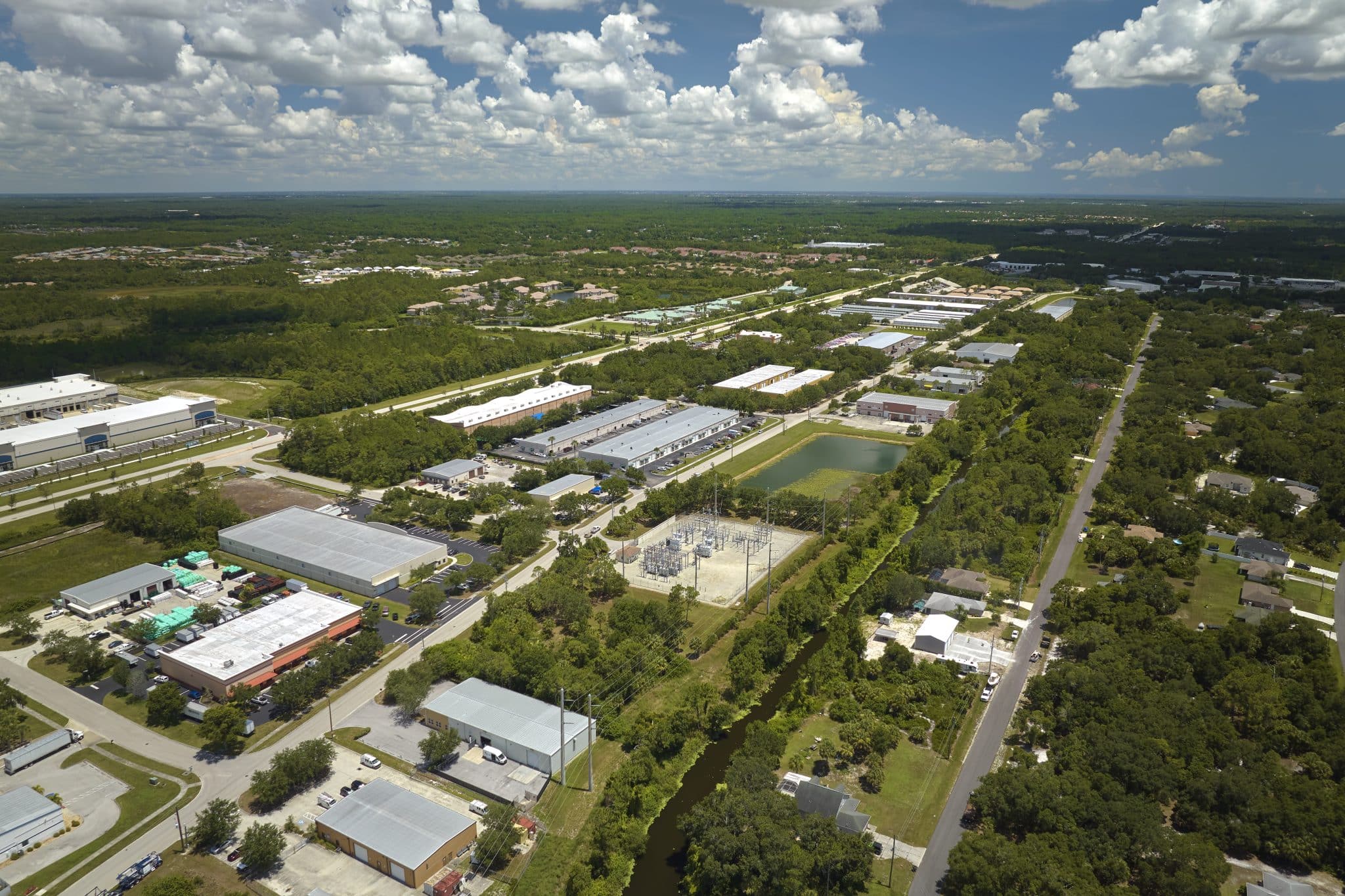
The completion of the Wekiva Parkway (SR 429) has dramatically improved accessibility to Apopka and Northwest Orange County. Projects like Kelly Park Crossing, an 88-acre master-planned industrial park, are taking advantage of the region’s affordability, strong connectivity, and access to the broader Central Florida distribution network.
Lake County Corridor
The SR 429 and Florida Turnpike corridor through Lake County has emerged as a viable industrial submarket, particularly for larger distribution facilities. A leading example is Kroger’s 375,000-square-foot Ocado-powered automated distribution center in Groveland, which highlights the region’s suitability for logistics growth.
Expansion East Along SR 528
The corridor extending east from the airport along SR 528 toward the Space Coast continues to gain traction for industrial development. The growth of aerospace operations around Kennedy Space Center and Port Canaveral’s expanding cargo facilities are driving industrial demand along this important east-west corridor.
Strategic Considerations for Different Stakeholders
Based on these market conditions and emerging trends, here are specific insights for different stakeholders in the Central Florida industrial market:
For Investors
- Focus on functionality over aesthetics: Properties with high clear heights, ample dock doors, and modern infrastructure will outperform “pretty” but less functional assets.
- Consider sale-leasebacks: Owner-operators looking to unlock equity represent attractive acquisition targets.
- Evaluate properties with expansion potential: Excess land or trailer parking flexibility can significantly boost long-term value.
For Owner-Occupiers
- Plan for future space needs: Acquiring more space now may cost less than relocating later in a tighter market.
- Explore build-to-suit in secondary submarkets: Strategic custom developments outside the core can offer better long-term value.
- Assess ownership vs. leasing carefully: Stabilizing interest rates may make ownership attractive for long-term users.
For Sellers
- Timing remains important but not critical: Solid demand persists for well-positioned assets.
- Consider targeted off-market dispositions: Quietly marketing to qualified buyers can yield better terms than broad listings.
- Highlight operational advantages: Buyers are increasingly focused on functionality, not just cash flows.
Looking Ahead: Factors That Will Shape the Market
Several macro factors will continue to influence the Central Florida industrial market through 2025 and beyond:
- Regional Population Growth: Central Florida continues to experience rapid population increases, directly supporting demand for logistics, warehousing, and manufacturing facilities.
- Transportation Network Enhancements: Major infrastructure projects like I-4 Beyond the Ultimate and SR 528 upgrades are expanding viable industrial corridors.
- Nearshoring Impacts: Supply chain shifts favoring North America are indirectly boosting Central Florida’s logistics and distribution relevance.
- Technology Integration: Demand for automation-ready and high-spec industrial facilities is growing, favoring properties that can accommodate advanced logistics operations.
Strategic Positioning in a Maturing Market
The Central Florida industrial market has transitioned from a growth frontier to a sophisticated, mature environment with distinct submarkets and specialized opportunities. Success today demands nuanced insights into how macroeconomic forces intersect with local dynamics.
After more than a decade of focusing exclusively on this market, I’ve developed the specialized expertise needed to help clients identify and capitalize on these opportunities. Whether you’re considering an acquisition, disposition, or strategic repositioning of industrial assets in Central Florida, I’d welcome the opportunity to help you navigate the trends shaping 2025 and beyond.
The industrial sector will continue to evolve, but certain fundamentals remain constant: location quality, functional utility, and strategic positioning will always drive long-term value. Investors and owners who focus on these core principles while adapting to emerging trends will continue to find compelling opportunities in Central Florida’s dynamic industrial landscape.